Northern Cyprus
NORTHERN CYPRUS UNFOLDED: MY FIRST SOLO
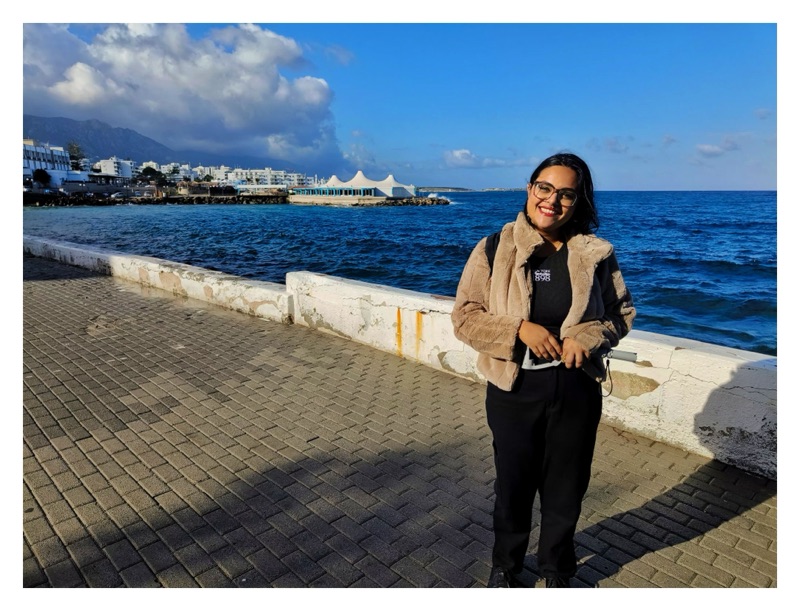
Sometimes it takes you a while, to process things you’ve seen & experienced while traveling. For some, it takes a few days, for some maybe a couple of weeks. For me, it literally took me 2 whole years to finally process it all and write it down. Or you can simply call it my laziness - whatever suits (teehee).
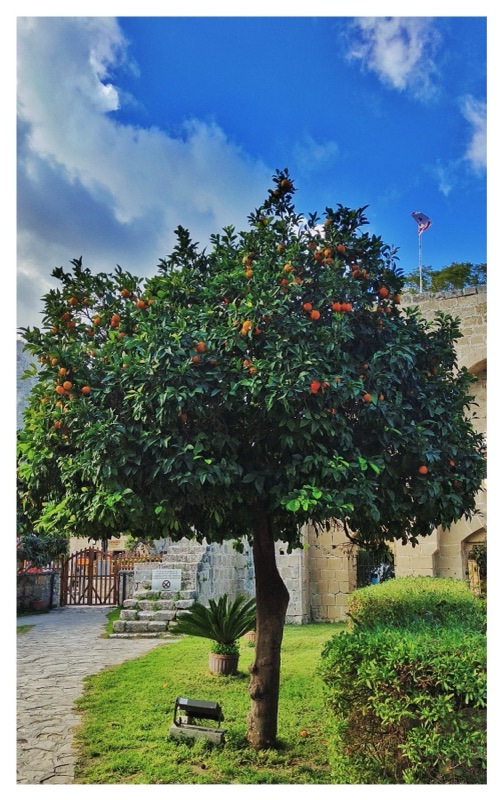 This was something I’ve been wanting to do for the longest time.
So one random day, I started looking (literally looking through Google maps) for countries near Qatar. My major concern was I time. All I had on me were 4 days of leave. And I wanted to go somewhere small, so as to be able to cover maximum. And for some reason Greece kept calling out to me. I was literally drooling over all the pictures.
But then due to some technical issues I was told it would be hard to get a visa to Greece and a very dear friend and travel guru Firos Nattu suggested this country that I had never heard of before “Northern Cyprus”. I was skeptical, but all it took were a few photos and I was already packing my bags.
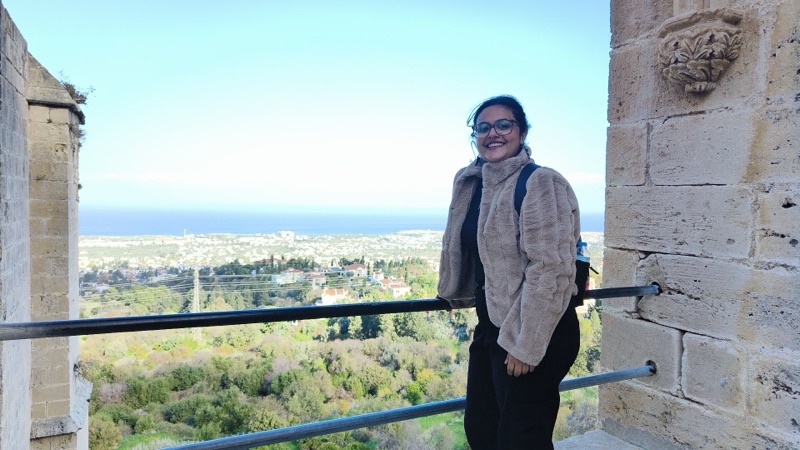
So that’s how it all began. So after 2 years of ticking this one off my bucket list, here I’m sharing with you some memories from my FIRST SOLO TRIP.
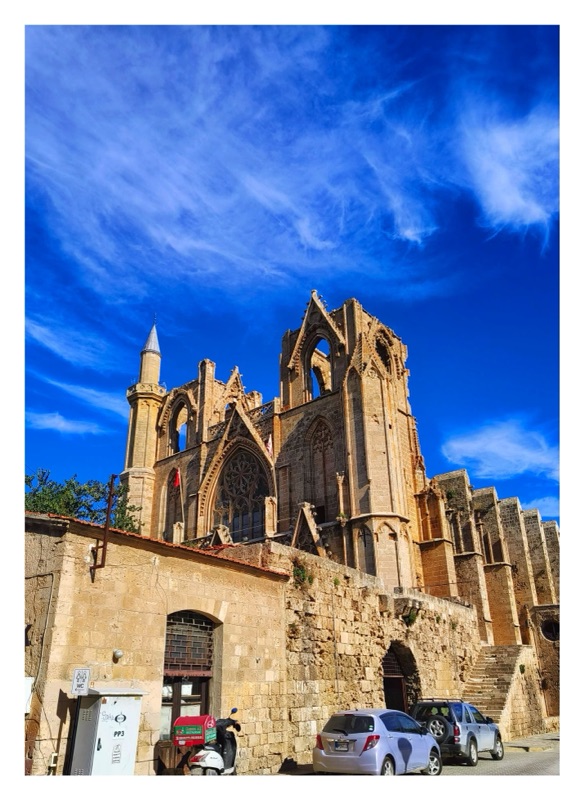 Lala Mustafa Pasha Mosque,
Famagusta
Built back in the early 14th century by the Lusignans (prominent medival nobles from France), this historical site was originally known as the St Nicholas Cathedral. Back then, it served as a coronation church for the Cypriot kings.
In 1571, after the Ottoman took over, the cathedral was then converted into a mosque - what we know today as the Lala Mustafa Pasha Mosque. You can still see the French Gothic architecture on the exteriors.
If you look closely, you could still see the bullet holes from all the past conflicts. Today, this architectural marvel stands tall as one of the largest medival buildings in Cyprus.
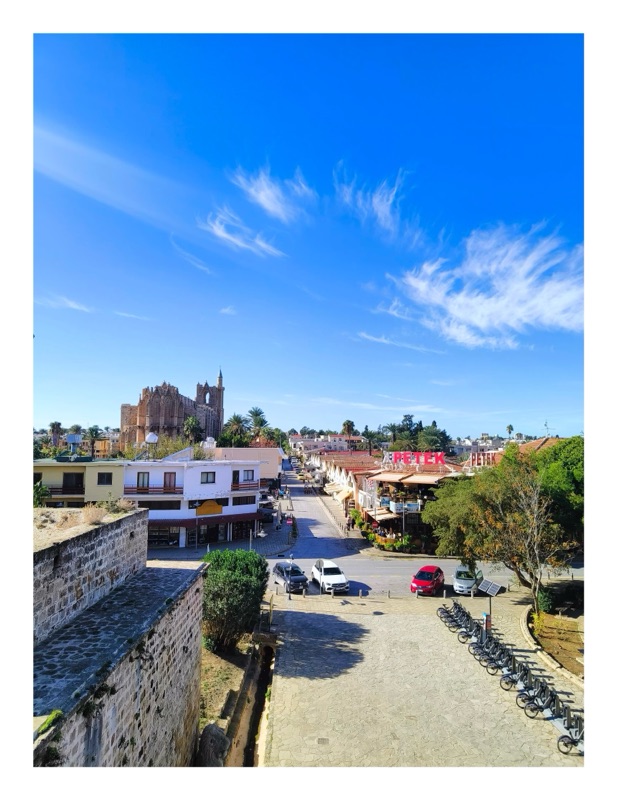 (On top: The area around the mosque in Famagusta)
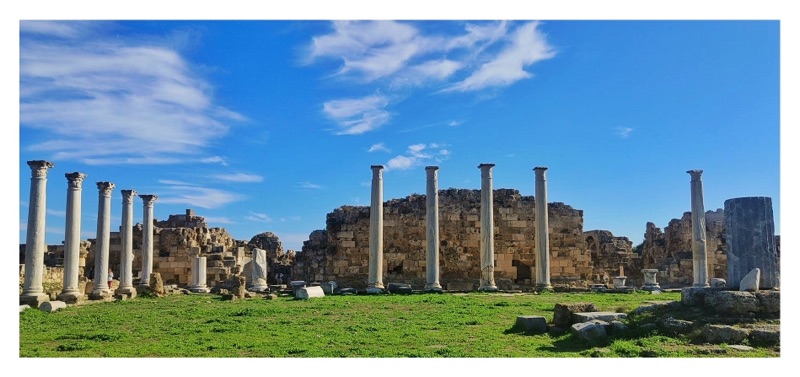 Roman Gymnasium Complex,
Salamis
The whole city of Salamis is an interesting story in itself. If you’re someone who’s interested in history or architecture, you are going to love this place. The picture above is the Roman Gymnasium Complex (yep, this is where many muscles were built😋) - an important and very well preserved part of the ruins of the lost city of Salamis.
The tall elegant rows scream Roman architecture and was an integral part of the Cypriot history. Apart from physical fitness, this place was used for philosophy, music and even public bathing.
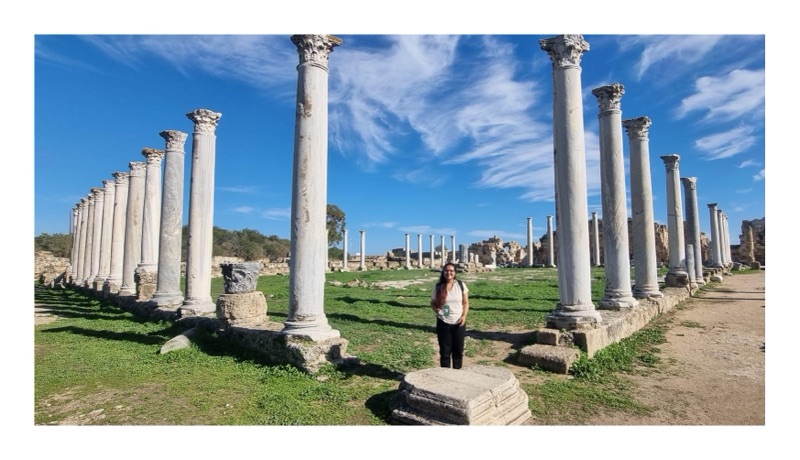
*Women weren’t allowed here though.This was a place only accessible to men.*
The open courtyard (palaestra) had statues of gods, goddesses and emperors. However when found, most of them were headless.
Inside this you can also spot a bath - which back then had a sophisticated heating system (that’s right, medival day water heaters). Apart from staying clean these baths were seen and practiced as a ritual with them shifting from the changing room to the cold room to the warm room and finally the hot room.
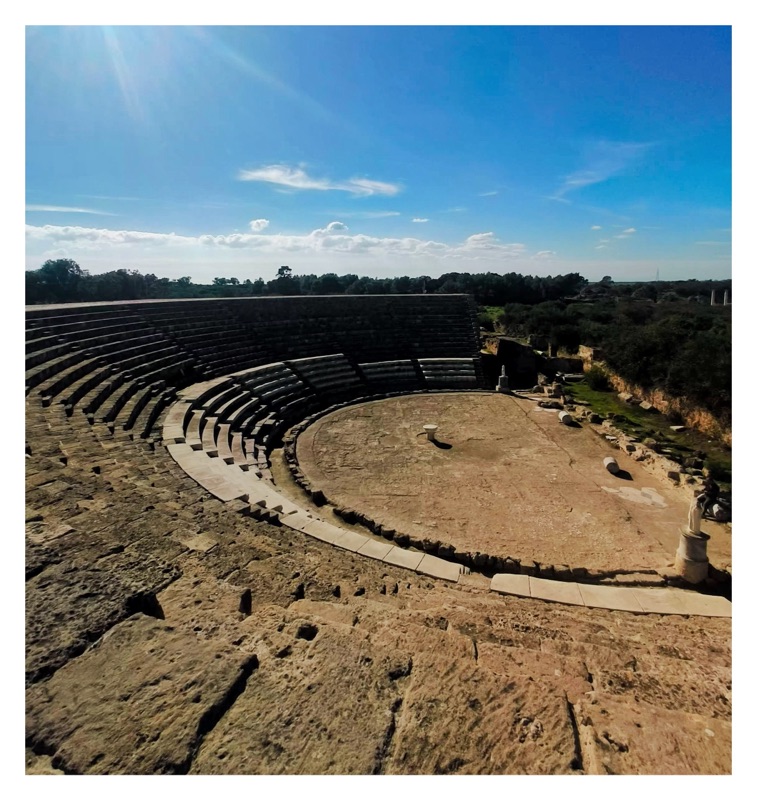 Salamis Amphitheater
A place that once witnessed the highest dose of drama and entertainment — from theatre performances to musical shows, everything unfolded here. It was truly the entertainment capital of ancient Cyprus. Built in the 2nd century, this amphitheater was later rebuilt and expanded by the Romans.
Sadly, a series of powerful earthquakes between the 4th and 6th centuries destroyed much of it.The ruins remained buried for more than 1,000 years. It wasn’t until 1959 that this ancient site was rediscovered.
The acoustics were engineered with such incredible precision — in a time with absolutely no technology — that actors standing at the center could still be heard clearly from the highest rows, without microphones. Today, the theatre has found new life, hosting concerts, plays, and cultural festivals once again.
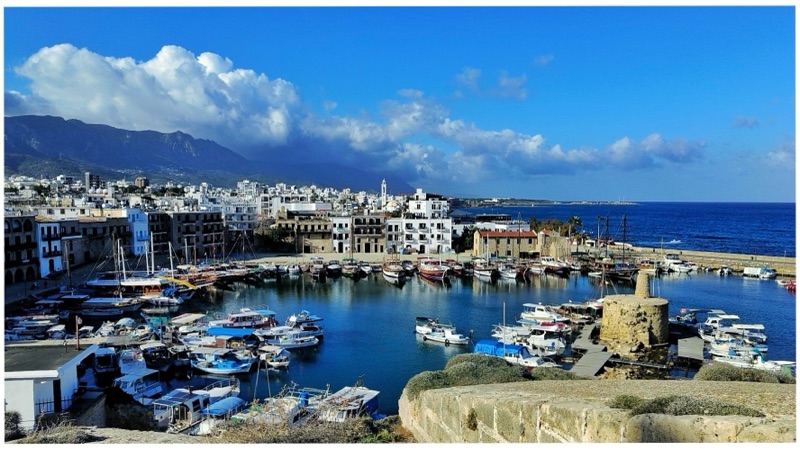 Kyrenia Harbour
One of the oldest harbors in the Mediterranean, this place holds within itself a 2,500 year old history. The harbour is home to the Kyrenia Castle - a fortress with layers of history.
It also houses one of the oldest shipwrecks ever - The Kyrenia Shipwreck. You can find the remains inside the castle museum.
Nestled between the Kyrenia Mountains and the Mediterranean Sea, this harbour is nature’s fortress. The mountains block attacks from land, while the sheltered bay protects ships from storms—making it one of the safest and most defensible ports in history. The Kyrenia Harbour is often considered the most iconic and picturesque location in Northern Cyprus.
Although once a bustling trade port, today the harbour is a lively tourist spot with cafés, seafood restaurants, and bars lining the waterfront.
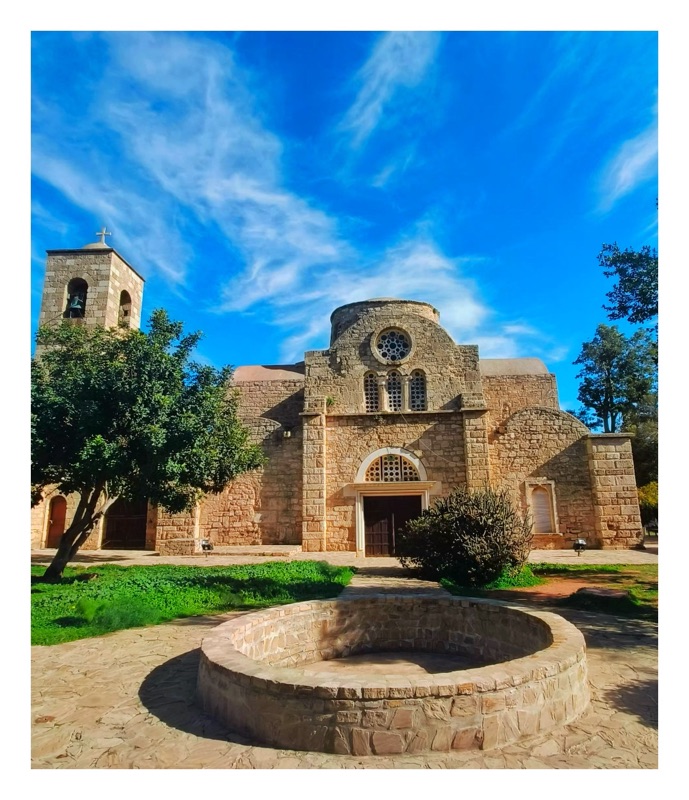 St. Barnabas Monastery
This monastery is dedicated to the saint who changes the Cypriot Church history - founded the Cypriot Orthodox Church.
The monastery was in fact built over what is believed to be the burial site of St. Barnabas.
Apart from being a place of worship, today the monastery also functions as an iconic museum - one where religion and history blend together.
The well(that you see in the picture above) was once an important symbol of miracle - locals believed the water had healing properties - especially for eye related ailments.
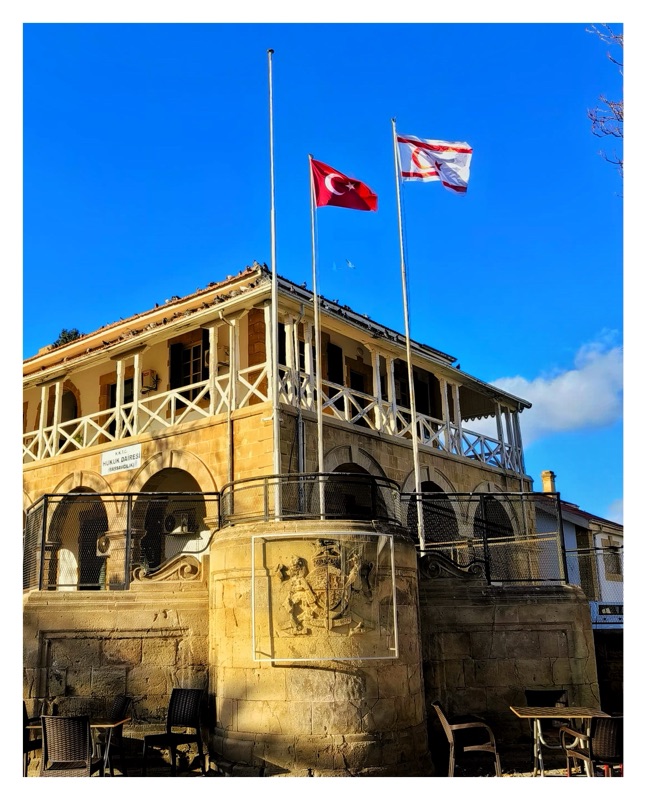 Supreme Court of the Turkish Republic of Northern Cyprus
Built during the British administration of Cyprus, this building remained even when legal systems changed — British - Republic of Cyprus - Turkish Republic of Northern Cyprus. The two flags is a clear reflection of the current governance - The Turkish flag and TRNC flag.
The stone used to construct this structure is a Cypriot limestone - which stays cool during summers and ages slowly.
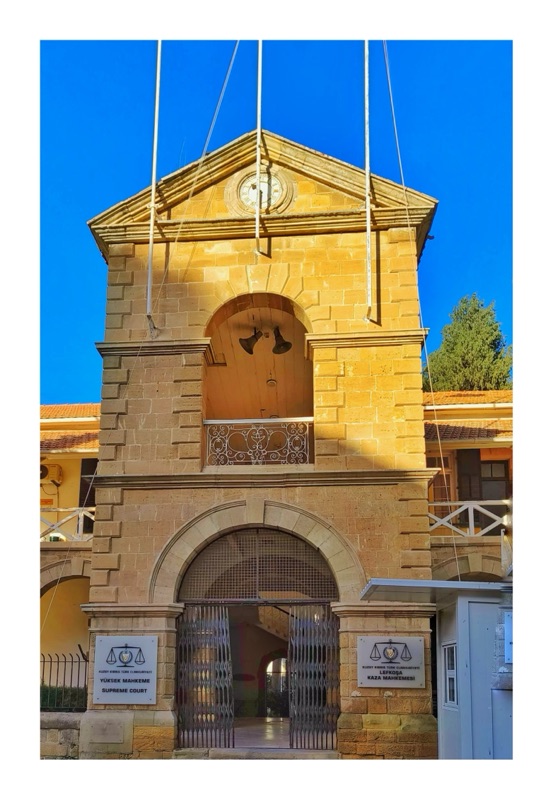
The bells (in the above image) were used to signal court sessions, call attention and mark official announcements.
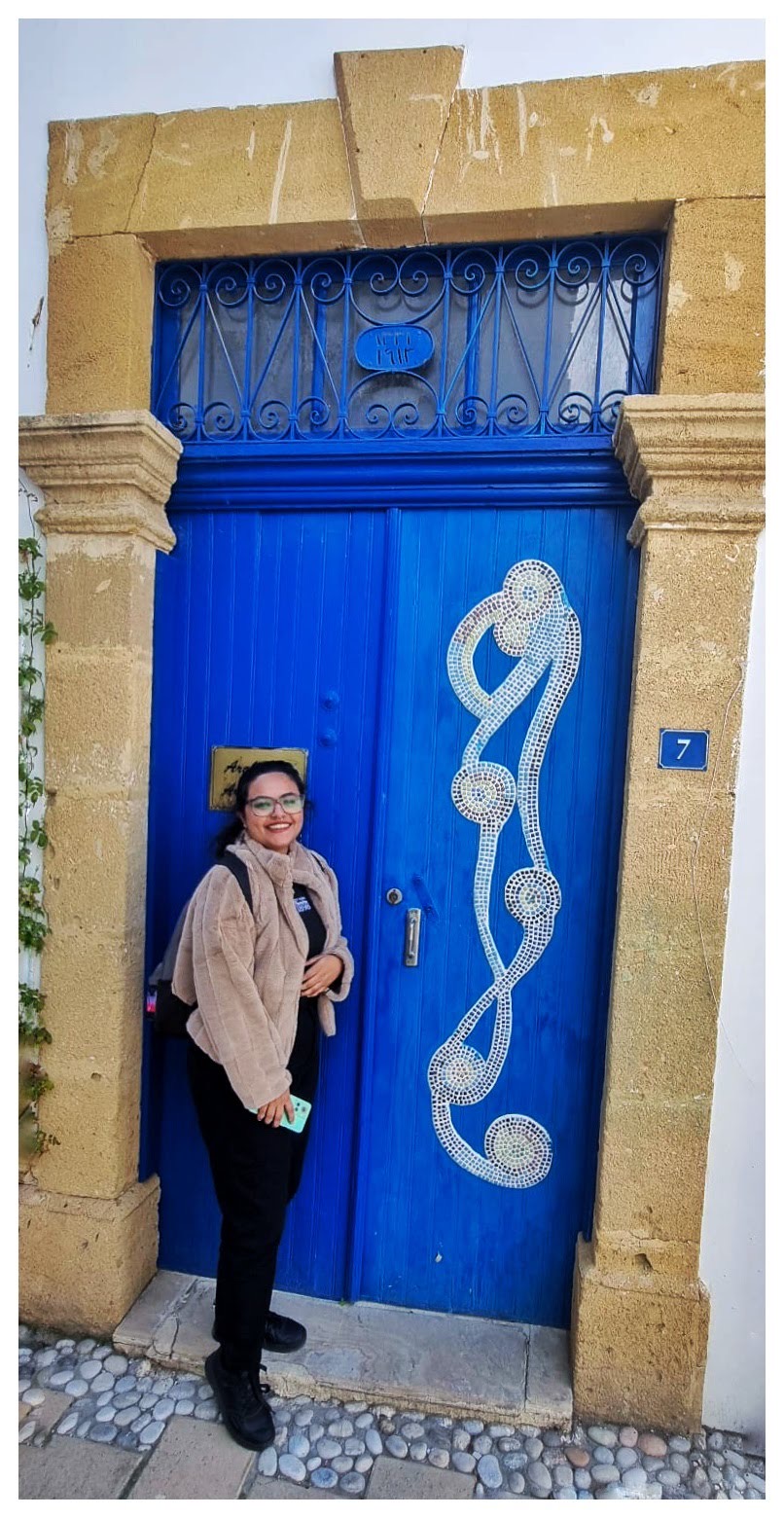 BLUES CLUES:
My obsession with the colour blue is serious - so spotting blue doors here, there and everywhere had me going crazy. There are several reasons to why Northern Cyprus could have so many blue doors:
- Maybe an extension of their belief system - warding off evil eye.
- Aesthetic beauty - blue skies, blue ocean and blue doors - what could be more beautiful than that.
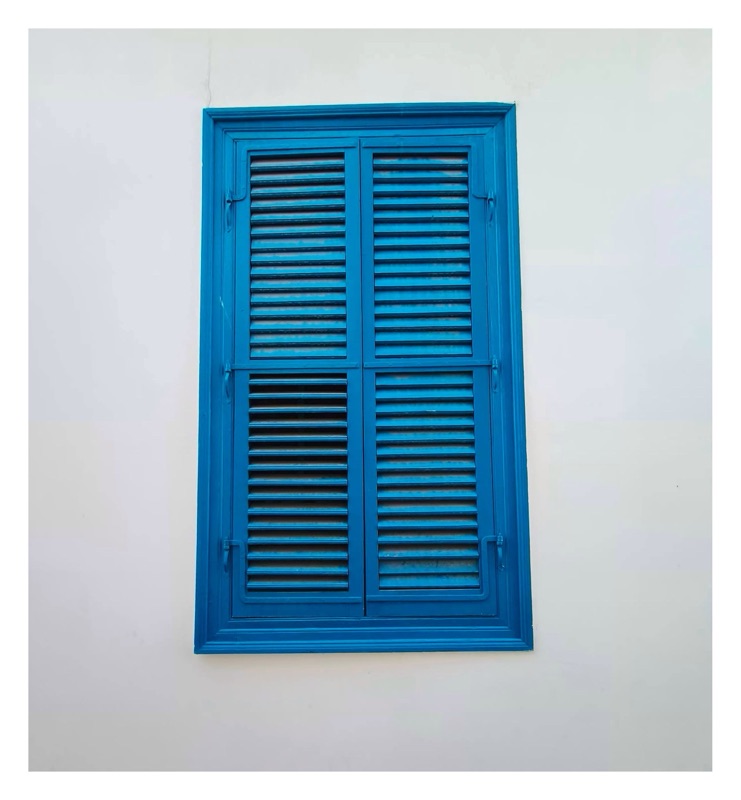
3. Could also be because historically blue paint was easily available and cheaper.
4. The color could also reflects a visual identity of coastal life.
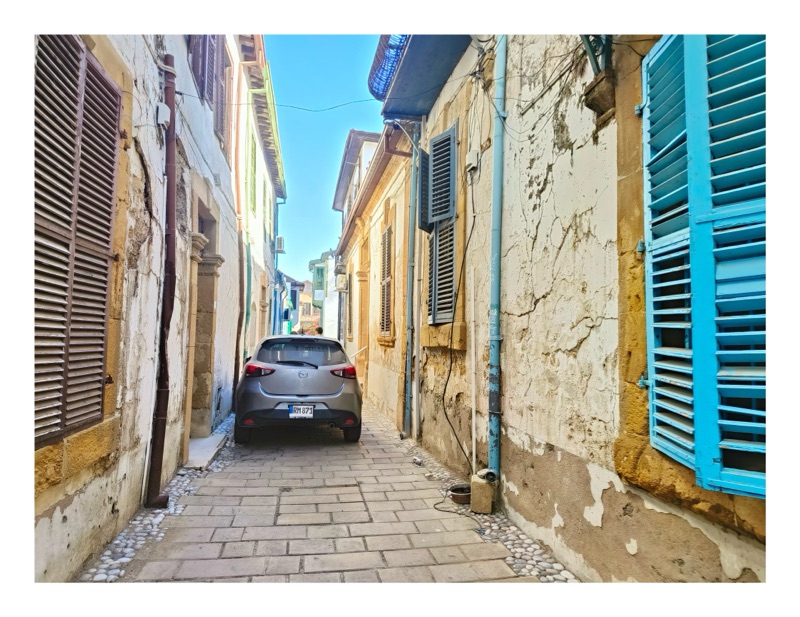
5. You would find a lot of the older buildings and streets preserved as such in Northern Cyprus. The south modernized faster.
6. The houses painted in Blue, were believed to be a much calmer space.
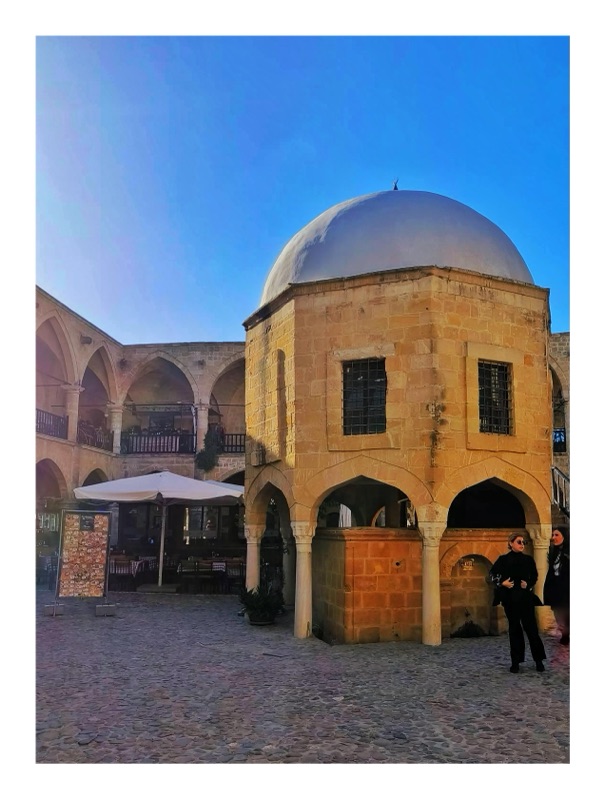 BÜYÜK HAN - THE GREAT INN, NICOSIA
Built in 1560’s by the Ottomans, as a resting place for travelers and merchants. However during the British rule, this place was used as a prison.
This wasn’t always called BÜYÜK Han (The Great Inn). The name came in after a smaller inn was built nearby, in order to differentiate. The Great Inn too has witnessed the complex, layered identity - from the Ottoman to British to Cypriot and Turkish Cypriot eras.
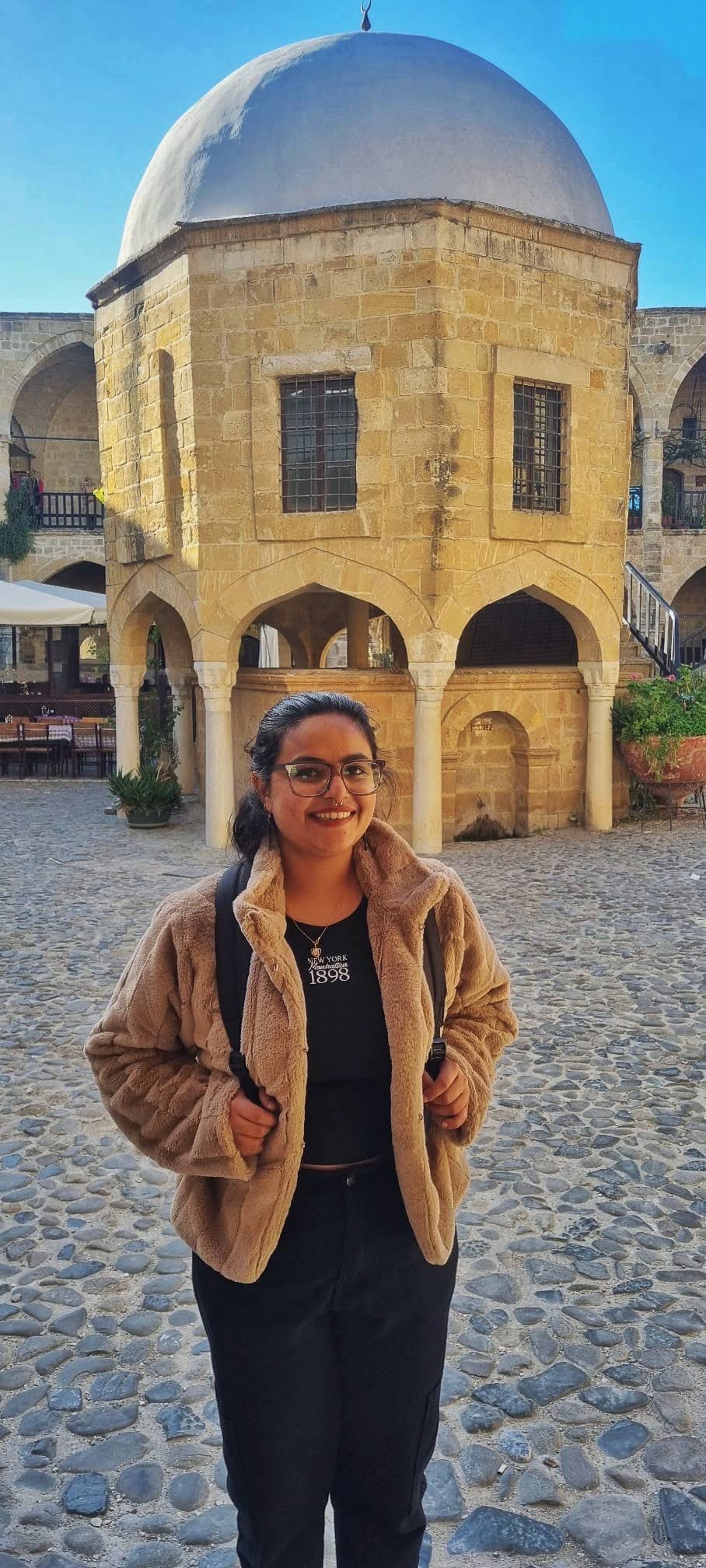
Today, this place houses cozy cafes and quaint restaurants.
So if you’re planning a trip to Northern Cyprus, make sure these places are on your list - and do leave room for more. From ancient ruins to living heritages, the region invites you to dive deep into its history and timeless charm.
Stay Happy!
Stay Safe!
Stay Adventurous!
Happy Travel ❤️


Comments
Post a Comment